

Running a business in today’s unpredictable economic environment means every dollar matters more than ever. While big-ticket expenses often get the most attention, savvy business leaders are zooming in on every line item on their balance sheets. Among these, energy costs are becoming a focal point — not just because of their size, but because of how much they fluctuate. From large manufacturing firms to small retailers, companies are discovering that how they manage operational costs like electricity can have a major impact on long-term profitability.
Let’s explore why smart businesses are rethinking their approach to even the smallest expenses — and how watching energy usage more closely is becoming a competitive advantage.
Every Dollar That Keeps Adding up
Margins can be razor-thin, especially in industries where pricing power is limited. In such cases, cost control becomes one of the few levers companies can pull to improve their bottom line. While reducing labor or cutting services might create disruption, tackling line-item expenses like utilities often offers a quieter — and more sustainable — path to savings. Small improvements, when multiplied across departments or locations, can create real financial impact.
The Case for Energy Scrutiny
Energy is one of the most controllable operational costs, yet it often flies under the radar. Many businesses still pay utility bills without fully understanding what drives those costs or how they compare to alternatives. In deregulated markets, businesses can compare Texas electricity rates, for instance, and find plans that better align with their usage patterns. This level of analysis not only reduces costs but also introduces predictability, which is invaluable for budgeting.
Smarter Procurement Decisions

When businesses start examining expenses at a granular level, procurement processes tend to improve as well. Whether it’s sourcing more efficient appliances, negotiating service contracts, or choosing energy providers with better terms, detailed cost awareness leads to more informed decisions. This not only trims fat but ensures every dollar spent delivers measurable value.
Hidden Inefficiencies
Watching line items closely often reveals inefficiencies that are otherwise easy to miss. Equipment left running after hours, outdated lighting systems, or poorly maintained HVAC systems can quietly drain resources. Once identified, these inefficiencies are usually fixable without major investments. What’s more, the cost savings can often fund other upgrades or initiatives, creating a virtuous cycle of improvement.
Energy Use as a Strategic Priority
More companies are starting to view energy not just as a utility cost but as a strategic priority. Beyond the savings, energy usage is tied to sustainability goals, brand perception, and regulatory compliance. Businesses that manage their consumption well are often seen as more responsible and forward-thinking — attributes that matter to customers, investors, and even potential employees.
Technology to Make It Easier
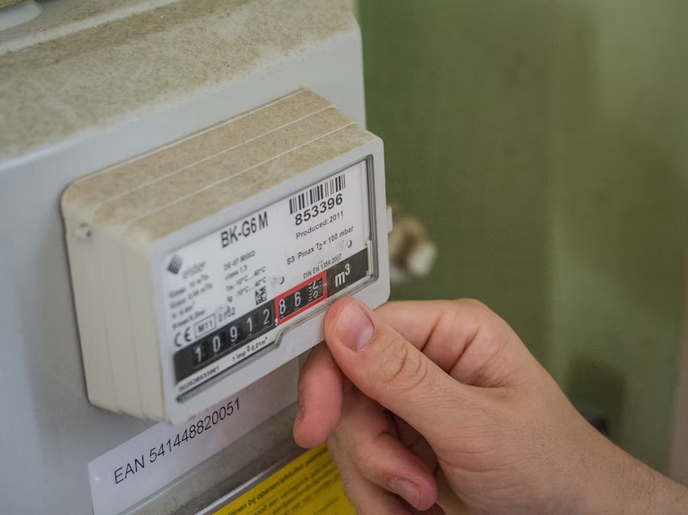
Tracking energy usage and other expenses has never been easier, thanks to a range of new technologies. Smart meters, usage dashboards, and AI-driven analytics tools give companies real-time insights into how and when they’re using energy. This data makes it easier to spot trends, correct waste, and forecast future needs. Businesses that invest in these tools are finding that better information leads to better decisions.
The Culture of Cost Awareness
When leadership models cost-conscious behavior, it often trickles down to the entire organization. Teams begin to take ownership of their budgets, find creative ways to stretch resources, and think twice about waste. Over time, this builds a culture where efficiency is valued and everyone contributes to protecting the company’s margins.
In a world where operating costs continue to rise and economic conditions remain uncertain, it’s the detail-focused businesses that are staying ahead. Watching every line item isn’t just good accounting — it’s a smart strategy. By paying special attention to expenses like energy, companies can reduce waste, improve forecasting, and reinvest savings into what matters most: growth, innovation, and long-term success.